Grease traps and interceptors sized for your kitchen and installed to your utility’s requirements, so your restaurant stays open, compliant and free of backups.
Kitchen wastewater carries fats, oils and grease (often called FOG). As it cools in the pipes, the grease hardens and builds up, until the line clogs or sewage backs up.
A grease trap or grease interceptor sits between the kitchen fixtures and the sewer. It slows the water down so the grease floats to the top and solids settle to the bottom, and only the cleaner water in the middle flows on. The trapped grease is pumped out on a schedule.
Flowlex installs new traps and interceptors, replaces failed or undersized units, and repairs inlet and outlet piping, baffles and lids.
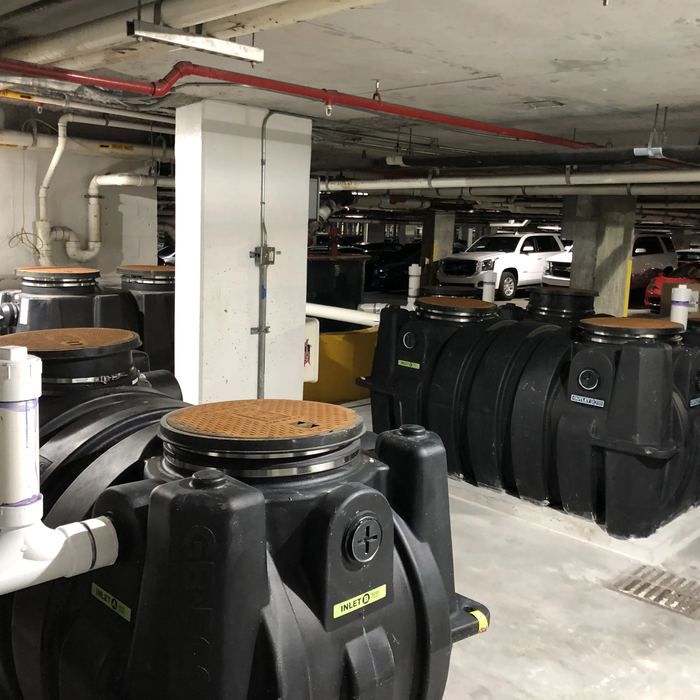
A failed or undersized grease trap can mean backups, odors and trouble with your utility. Flowlex sizes, installs and replaces grease traps and interceptors that keep your kitchen running and compliant.
Permit applications, submittals and inspections are prepared and coordinated for you, so nothing stalls between offices.
One team, one schedule and one point of contact from the site visit to the final inspection.
Send your plans, survey or city comments one time. We review them and come back with the next steps.
We follow up by phone or email and explain what your city or county requires, in plain English.
Carries wastewater from the sinks, dishwasher and floor drains to the trap.
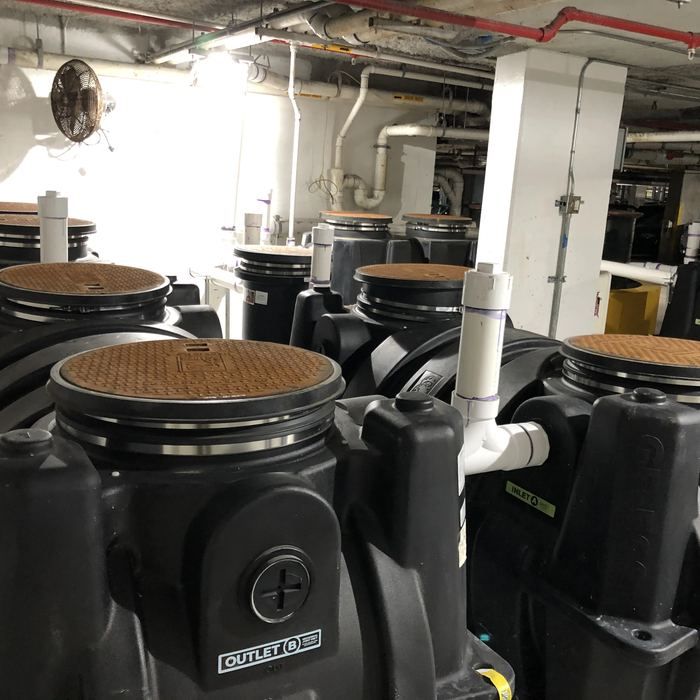
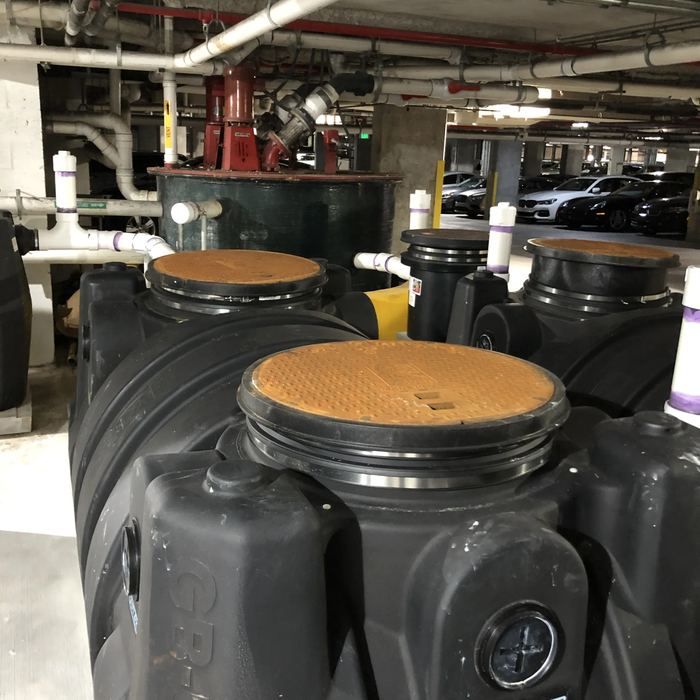
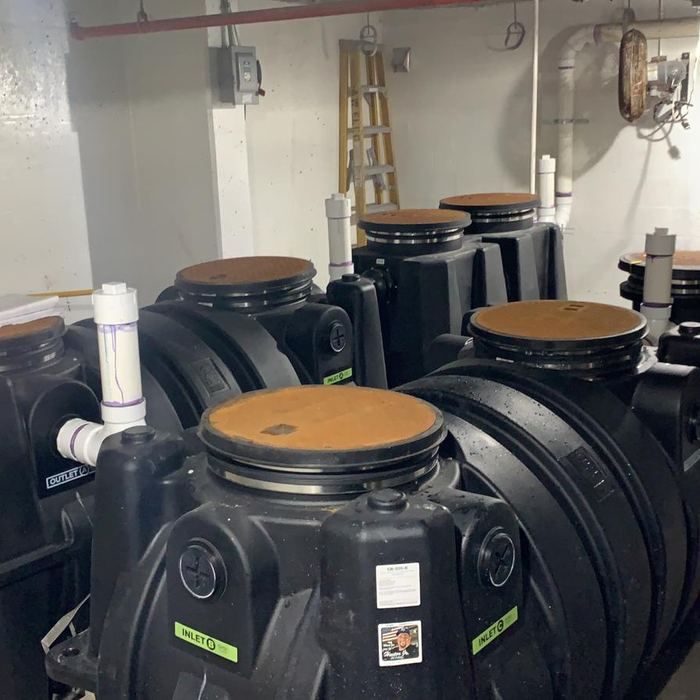
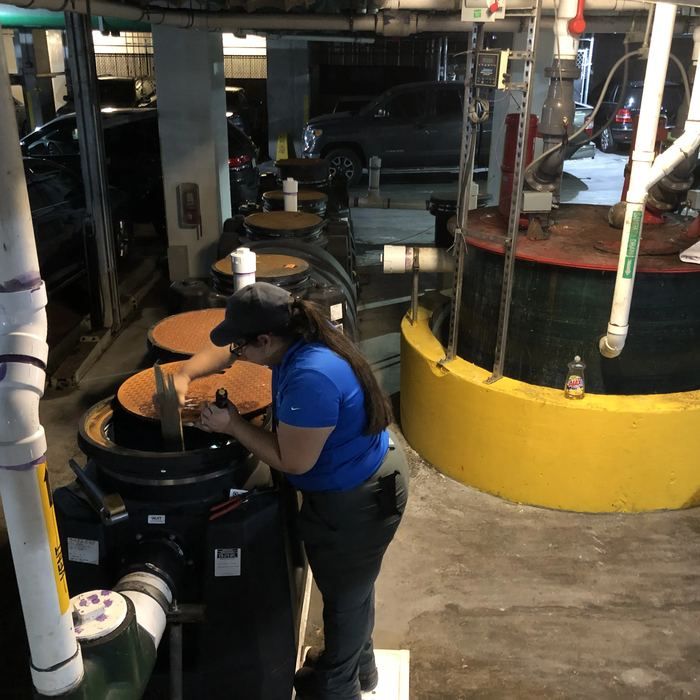
A concrete, plastic or steel tank sized for the kitchen’s flow. Small units sit under or near a sink; large interceptors are set in the ground or in a garage.
Walls inside the tank that slow the flow and keep floating grease away from the outlet.
Takes the separated water from the lower part of the tank on to the sewer.
Openings for inspection, cleaning and pump-outs.
Where required, a place to take a sample of the water leaving the interceptor.
Grease is regulated by the utility that treats your wastewater, with state rules for hauling.
Utilities with an approved industrial pretreatment program set local rules for what may enter the sewer, including grease. DEP is the approval authority that oversees these local programs.
Source: Florida DEP: Industrial Pretreatment ProgramFood service establishments in Miami-Dade need a FOG Discharge Control operating permit, renewed every year, and an approved grease interceptor or trap.
Source: Miami-Dade County: FOG Discharge Control Operating PermitOnly licensed grease haulers and self-cleaners may remove and transport grease waste, with a service manifest for every pump-out.
Source: Florida DEP: Grease WasteGeneral principles only. The required size comes from the plumbing design and the local program.
An interceptor is sized for the flow from the fixtures connected to it. More sinks and dishwashers means more water passing through.
Grease needs time in the tank to float to the top. If the unit is too small, water moves through too fast and grease goes on into the sewer.
Size affects how quickly the unit fills with grease and solids. Follow the cleaning schedule your utility or program sets.
Grease poured down a kitchen drain doesn’t stay liquid. These are the reasons Miami-Dade County gives for regulating it.
Miami-Dade County explains that fats, oils and grease stick to the sides of sewer pipes and harden inside, blocking wastewater flow and clogging pipes, which can cause untreated sewage to overflow in homes, businesses and streets.
Source: Miami-Dade County: Fats, Oils and Grease (FOG)The county’s fact sheet notes that grease can clog the pipes leading to sewer overflows into parking lots and streets, and that restaurants and other food service establishments are a significant source.
Source: Miami-Dade County: FOG Fact Sheet (PDF)Miami-Dade County states that the county, its municipalities and its sanitary sewer system are under a Federal Court Order that includes the requirement to reduce the amount of grease in the sewer pipes.
Source: Miami-Dade County: Fats, Oils and Grease (FOG)Grease requirements depend on where the kitchen is and which agency or utility serves it. These are the rules we could confirm on official pages.
Two ways to handle the permit. We can handle the permit process for you, or, if you prefer to do it yourself, here are the official links. Forms are always filed with the city or county, never through Flowlex.
Non-residential places that handle food, such as restaurants, cafeterias, supermarkets, schools and food courts, need a FOG Discharge Control operating permit and an approved, operational grease interceptor or trap. The permit is renewed every year, runs January 1 through December 31, cannot be transferred, and a new business owner needs a new permit. It is applied for through the county’s Certificate of Use process.
Source: Miami-Dade County: Fats, Oils and Grease (FOG) · Miami-Dade County: FOG Discharge Control Operating PermitUnder Section 403.0741, Florida Statutes, a hauler who removes grease waste from a grease interceptor or trap must dispose of it at a disposal facility and may not return it to the trap. Every removal is documented on a service manifest, and the business keeps a signed copy on site for one year. Inspectors verify that the business has a contract with a hauler, and local governments may adopt stricter rules.
Source: Section 403.0741, Florida StatutesDEP states that licensed grease haulers and self-cleaners are the only ones allowed to remove and transport grease waste, under Section 403.0741, Florida Statutes, and Chapter 62-705, Florida Administrative Code.
Source: Florida DEP: Grease WasteFlowlex checks which agency and program cover your location during the site visit, prepares the permit applications the job needs, and schedules the inspections. Permit fees are listed separately in your written price.
Call, send the quote form or message us on WhatsApp with the address and what you need: a new kitchen, a failed trap, an inspection finding.
We look at the fixtures, the existing trap or interceptor, the piping and where a new unit can go, and plan around your kitchen hours.
You get a written scope and price before any work begins. Nothing starts until you accept it.
We apply for the required permits, then install the trap or interceptor and connect the inlet and outlet piping.
We schedule and attend the inspection and show your staff where the unit is and how it is accessed for cleaning.
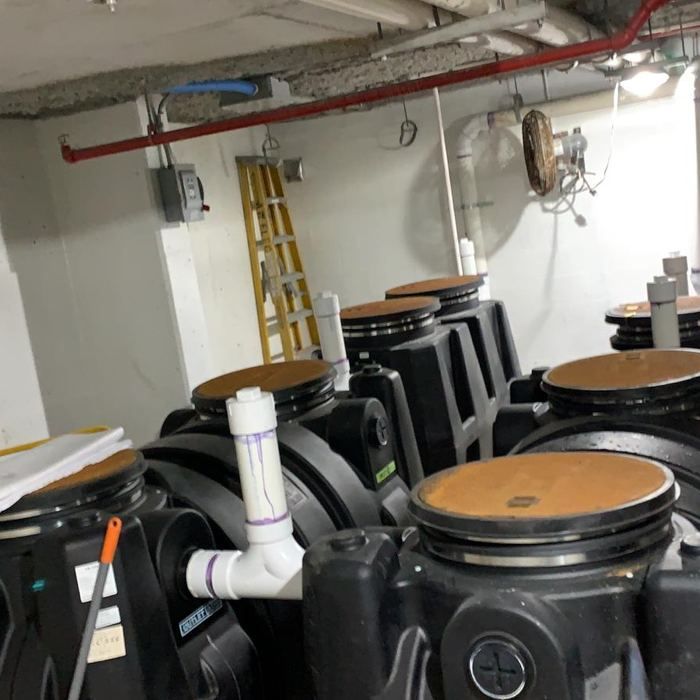
Photos from a recent Flowlex grease interceptor installation in South Florida.
It depends on the kitchen and the size of the unit. Miami-Dade County’s fact sheet says to follow the manufacturer’s recommended maintenance and clean-out schedule, and lists warning signs: the grease layer has turned almost solid, drains leading to the trap are backing up, or it has been several months since the last pump-out (Miami-Dade County). Your local utility may set its own schedule.
Only licensed grease haulers, or a business that is registered to remove its own grease waste (a “self-cleaner”) (Florida DEP). Keep the signed service manifest from every pump-out on site for one year (s. 403.0741, F.S.).
Yes. Food service establishments in Miami-Dade need a FOG Discharge Control operating permit, renewed every year, and an approved grease interceptor or trap (Miami-Dade County). Outside Miami-Dade, the requirements depend on the city and utility; we check them for your address.
Both separate grease from kitchen wastewater. “Grease trap” usually means a smaller unit inside the kitchen, under or near a sink. “Grease interceptor” usually means a larger tank set in the ground or in a garage that serves the whole kitchen.
Miami-Dade County recommends dry-wiping pots, pans and equipment before washing, using sink and floor drain screens, posting “No Grease” signs above sinks, training all staff, and not using degreasers or solvents in drains or traps. It also notes that hot water does not get rid of grease (Miami-Dade County).
It varies with the scope: the size and type of unit, where it goes, the piping and kitchen hours, and how long permits and approvals take. You get a schedule with your written scope and price.
Miami-Dade, Broward and Palm Beach Counties and the surrounding areas, extending north to the Orlando area. Call or message us if you are unsure whether we cover your location.
It depends on the size the kitchen needs, where the unit can go, the piping and the permits. After a site visit, you get a written scope and price before any work begins. Estimates are free. Want a price? Contact us: call (754) 444-0650 or upload your plans and request pricing.
Flowlex installs and repairs grease traps and interceptors for restaurants and commercial kitchens in these cities and the areas around them.
Cities with a dark outline have their own page with the local requirements and links to the official forms.
Don’t see your city? Call us or send a request, we may still be able to help.
Based at 1416-3 N Dixie Hwy, Hollywood, FL 33020. Serving Miami-Dade, Broward and Palm Beach Counties and the surrounding areas, extending north to the Orlando area. Other services: Storm Drain Systems · Septic Tank Systems · House Sewer Lines.
Every fact on this page comes from these official government pages. Rules change, so the agency’s own page is always the final word.
Want a price? Contact us. Upload your plans or describe the project, and we review it and follow up by phone or email.